How to Choose a Desk for a Studio Apartment (2026 Guide)
Disclosure: As an Amazon Associate, UnfoldDesk earns from qualifying purchases at no extra cost to you.
Choosing a desk for a studio apartment is a problem of inches and double-duty space. The wrong desk eats a quarter of your room and never gets put away; the right one fits the one spot you have and disappears when you’re off the clock. This guide walks through exactly what to measure, which desk type fits which studio, and the mistakes that leave people with a desk they can’t actually use.
By the end you’ll know how to pick a desk that works in a room that’s also your bedroom, living room, and kitchen. Fitting a desk into a studio apartment is as much about ergonomics as inches; the Mayo Clinic office-ergonomics guide covers the posture basics any studio apartment desk should support.
Why Choosing a Desk Is Different in a Studio
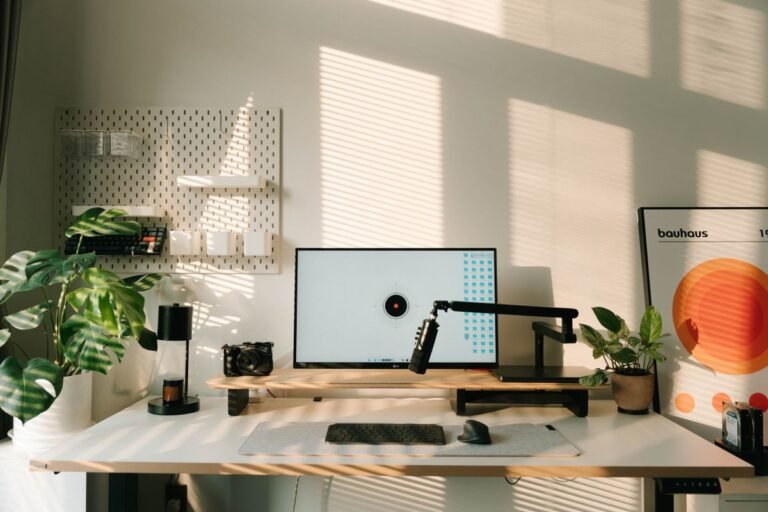
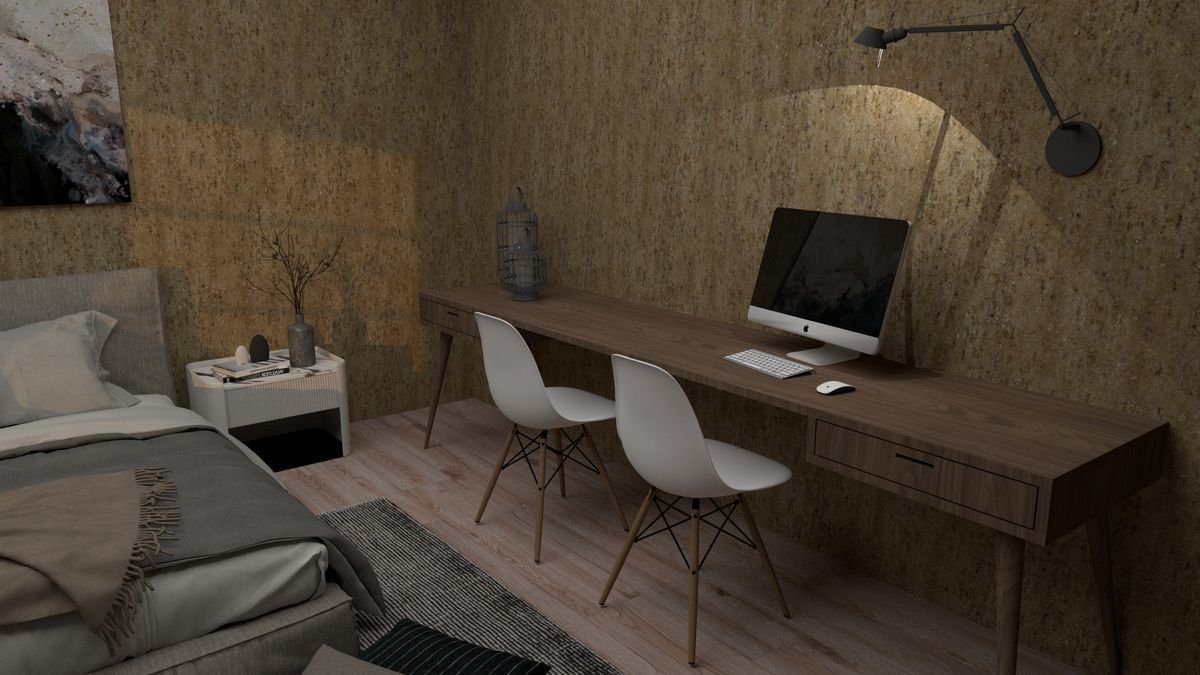
In a dedicated office you pick a desk for the work. In a studio you pick it for the room — because that same floor has to host sleeping, relaxing, and living too. Standard “best desk” advice assumes a spare wall and a permanent spot, which a studio rarely has. So the priorities flip: footprint, fold-away ability, and how the desk looks when it’s not in use matter as much as the work surface itself. A studio desk is furniture first and a workstation second.
Step 1: Measure Your Real Space (Not the Room)
Don’t measure the studio — measure the spot. Find the one place a desk could realistically live (a wall gap, an alcove, the end of the bed, beside a window) and measure its width and depth with the chair pulled out.
Width
For most studio spots, a 30–36 inch wide desk is the sweet spot — enough for a laptop and a monitor without dominating the wall. If your gap is under 4 feet, drop to a 27–28 inch desk.
Depth
Depth is the silent killer in a studio. A standard 24-inch-deep desk juts into a small room; look for 15–18 inches of depth, which still holds a monitor at arm’s length but keeps the walkway clear.
Step 2: Pick the Desk Type That Matches Your Routine
The single biggest decision is type, and it depends on how often you need the floor back.
- Folding desk — best if the desk shares space with sleeping/living and you want it gone after hours. It sets up in seconds and stores flat. See the best folding desks.
- Wall-mounted fold-down desk — best if you can drill and want zero floor footprint when closed. It claims a patch of wall instead of floor. See the best wall-mounted desks.
- Compact fixed desk — best if you have one permanent spot and want built-in shelves or drawers. See the best compact desks for small apartments.
Step 3: Decide How Much Storage You Need
In a studio there’s no spare cabinet, so the desk often has to store things too. A desk with drawers or a shelf — or a vertical design with a monitor riser — saves you from buying separate storage that needs its own floor space. If you go for a bare folding desk, plan where the supplies will live (a drawer unit, a shelf, or a riser organizer on top).
Common Mistakes to Avoid
- Buying on width alone: a desk that fits the wall can still be too deep for the room. Check both numbers.
- Ignoring the chair: measure with the chair pulled out, and consider an armless chair that tucks fully under the desk.
- Choosing a permanent desk when you need a fold-away one: if the spot doubles as living space, a fixed desk becomes a permanent intrusion.
- Forgetting cable management: in an open studio, a tangle of cords is always visible. Plan for it from day one.
- Overbuying surface: a huge desktop you “might need” usually just collects clutter and shrinks the room.
Our Recommendations
Based on the most common studio scenarios:
If your desk shares space with your bed or sofa: go folding, so the floor comes back at night — start with the best folding desks for a home office.
If you can drill and want maximum floor space: a fold-down wall desk is ideal — see the best wall-mounted desks for small spaces.
If you have one permanent corner: a compact fixed desk with storage is the most comfortable daily option — see the best compact desks for small apartments, or shop by budget with the best desks under $200.
Choosing a Desk for Your Studio Apartment
A desk for a studio apartment has to share a room with everything else, so the type matters as much as the size. In a studio apartment, a folding or wall-mounted desk frees the floor, while a shallow compact desk suits a fixed corner. Measure your studio apartment spot and match the desk type to how you use the room.
Bottom line: the best desk for a studio apartment earns its footprint. In a studio apartment, every piece should do double duty, so choose a desk whose depth suits your studio apartment and whose style folds or tucks away. Measure your studio apartment first, match the desk to your routine, and your studio apartment gains a real workspace without losing its living space.
Related Buying Guides
Frequently Asked Questions
What size desk is best for a studio apartment?
For most studios, a desk 30–36 inches wide with a depth under 18 inches is the sweet spot. If your usable spot is under 4 feet wide, drop to a 27–28 inch desk, and always prioritize shallow depth so the desk doesn’t jut into the room.
Is a folding or fixed desk better for a studio?
It depends on whether the spot doubles as living space. If it does, a folding desk that stores away wins; if you have one permanent corner, a compact fixed desk with storage is more comfortable for daily use.
Where should I put a desk in a studio apartment?
Look for an underused spot: a wall gap, an alcove, beside a window for light, or the end of the bed. The best location is one that doesn’t block walkways and, ideally, lets the desk fold or tuck away when not in use.
Can I have a real desk in a studio without it taking over?
Yes — the trick is matching the desk type to your space. A folding or wall-mounted desk gives you a full work surface that disappears afterward, while a shallow compact desk stays unobtrusive in a fixed spot.
Do I need a desk with storage in a studio?
Usually, because studios rarely have a spare cabinet. A desk with drawers or a shelf saves you from buying separate storage that needs its own floor space. If you choose a bare folding desk, plan where supplies will go.
Final Thoughts
Choosing a desk for a studio comes down to one habit: measure the exact spot, then match the desk type to how you use the room. Know your width and depth, decide whether it needs to fold away, and plan for storage and cables before you buy. Once you’ve nailed that, picking the actual desk is easy — start with our roundup of the best compact desks for small apartments.